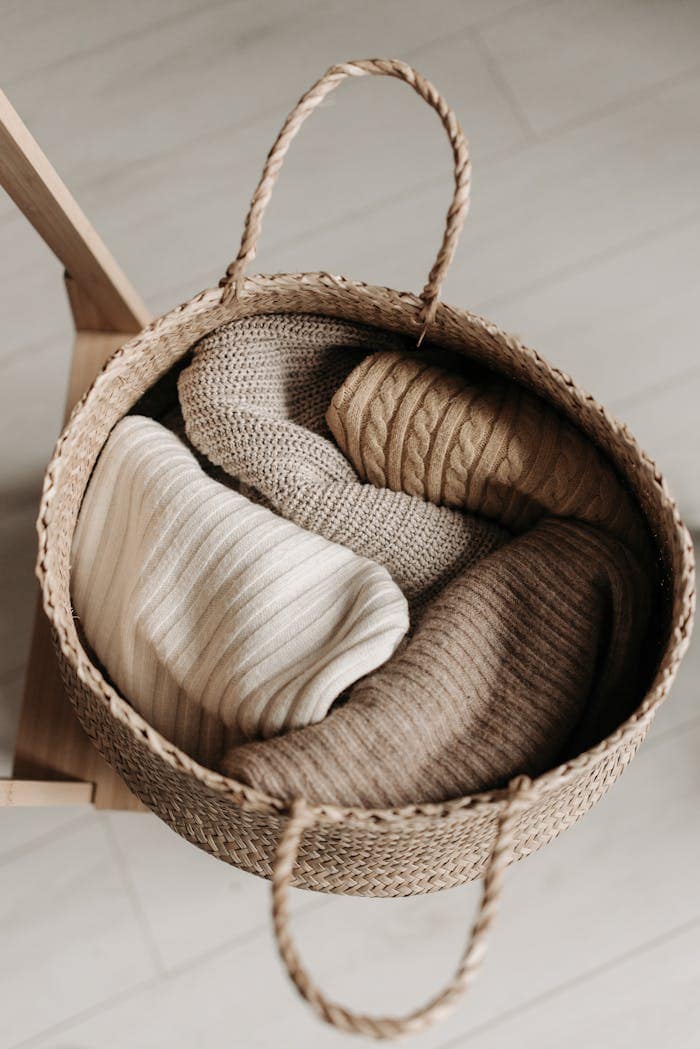
How to properly care for home textiles (and why it matters more than you think)
Home textiles are not simply “stuff.” They are the quiet companions of your daily life. The sheets that hold you after a long day. Towels that protect you when you’re vulnerable and wet. The curtains soften harsh sunlight and provide privacy. When you properly care for them, you are not only extending the life of the fabric, but also protecting comfort, hygiene, and a sense of home.
Let’s cut through the nonsense and get to what really works.
Start with respect and read the care labels.
Yes, they are small. Yes, they are annoying. But those tiny tags aren’t suggestions; they’re survival guides.
Cotton, linen, wool, silk, and microfiber all behave differently. Ignoring the care labels is how:
-
Towels lose absorbency.
-
Bed sheets feel rough and tired.
-
Curtains faded unevenly.
-
Expensive fabrics shrank beyond recognition.
A mere five seconds of reading can save years of use.
Wash Less, but Smarter.
One of the most common causes of home textile deterioration is excessive washing. Fabric weakens when agitated.
As a rule of thumb
-
Bed linens: every 7-10 days.
-
Towel: after 3-4 uses.
-
Curtains: every 3–6 months.
-
Throws and cushion covers: when visibly dirty, or every few months.
Pause before washing if it does not smell, is not stained, or has not been in contact with sweat.
Cold Water is Your Best Friend.
Hot water feels powerful, but it is extremely harsh on fibres. If not used correctly, it fades colours, breaks down threads, and locks in stains.
Use cold or warm water for:
-
Sheets
-
Towels
-
Cushion Covers
-
Most of the curtains
Only use hot water when absolutely necessary (such as during an illness).
Detergent: Less is More.
More detergent does not equal cleaner. It refers to residue. Residue produces:
-
towels are stiff.
-
Sheets are itchy
-
Fabrics attract dirt faster.
For the majority of loads, cut the recommended amount in half. Your skin and textiles will thank you.
Avoid using fabric softener on towels. It coats the fibres and reduces absorbency. If you prefer softness, add white vinegar to the rinse cycle instead. It operates quietly and without damage.

Sort like you mean it.
Throwing everything together creates chaos.
Separated by:
-
Colour (light, dark, and bright)
-
Fabric weight (heavy towels versus delicate sheets)
-
Towels are lint producers, whereas bed sheets are lint magnets.
This one habit can double the life of your textiles.
Drying: Slow down
High heat is a silent destroyer.
-
Air-dry whenever possible.
-
Use low heat in the dryer.
-
Remove items while slightly damp to avoid stiffness.
Sunlight is beneficial, but too much direct sun fades colours. Everything revolves around maintaining balance.
Ironing is not about appearance—it is about care.
Ironing relaxes fibres and helps fabrics maintain their shape.
-
Iron cotton and linen while slightly damp.
-
Use low heat for synthetics.
-
Avoid ironing towels entirely.
And no, wrinkled sheets do not indicate neglect. They indicate that life is happening.
Storage: Allow Fabrics to Breathe.
Textiles suffocate when packed tightly into small spaces.
Try this instead:
-
Store in cool, dry areas.
-
Avoid using plastic for long-term storage.
-
Use cotton bags or pillowcases.
-
Add lavender or cedar, not chemical mothballs.
Never keep dirty textiles. Even invisible stains can attract pests and weaken fibres.

Handle stains gently and immediately.
Panic destroys fabrics.
-
Blot, don’t rub.
-
Cold water first.
-
Try stain removers on hidden areas.
-
Act quickly—fresh stains are forgiving.
Aggressive scrubbing appears productive, but it frequently results in permanent damage.
Why Does This All Matter?
When you take proper care of your home textiles, you do more than just save money.
You’re:
-
Sleeping better.
-
Living Cleaner
-
Reducing Waste
-
Respect for the things that support your daily life.
Your home feels warmer when the fabrics are soft, fresh, and familiar. That is not luxury. That’s the intention.
Final thought
Your textiles do not require perfection. They require consistency. Small habits, repeated over time, transform ordinary fabric into long-term comfort.
Care for them as they care for you—quietly and faithfully, every day.
Handle stains gently and immediately.
Panic destroys fabrics.
-
Blot, don’t rub.
-
Cold water first.
-
Try stain removers on hidden areas.
-
Act quickly—fresh stains are forgiving.
Aggressive scrubbing appears productive, but it frequently results in permanent damage.
Why Does This All Matter?
When you take proper care of your home textiles, you do more than just save money.
You’re:
-
Sleeping better.
-
Living Cleaner
-
Reducing Waste
-
Respect for the things that support your daily life.
Your home feels warmer when the fabrics are soft, fresh, and familiar. That is not luxury. That’s the intention.
Final thought
Your textiles do not require perfection. They require consistency. Small habits, repeated over time, transform ordinary fabric into long-term comfort.
Care for them as they care for you—quietly and faithfully, every day.